Why Slaughtering Animals on Eid Must Stop
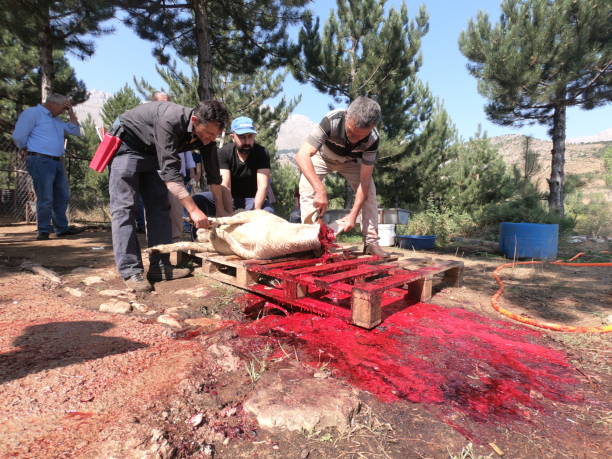
Slaughtering animals on Eid occurs annually. Every year, thousands of animals are slaughtered in public, even in front of children, as a symbolic and sacrificial offering. In this article, we will attempt to shed some light on the dark side of this tradition.
1. Animals are sentient beings
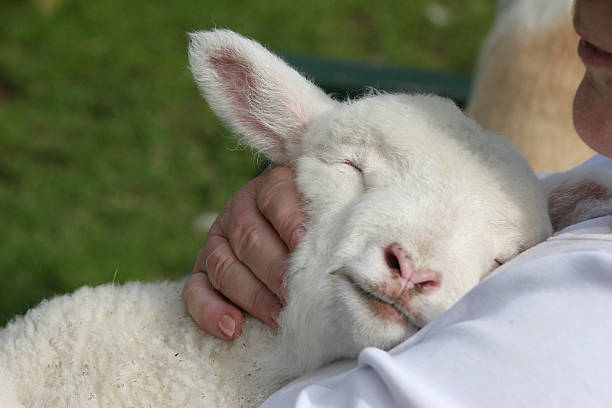
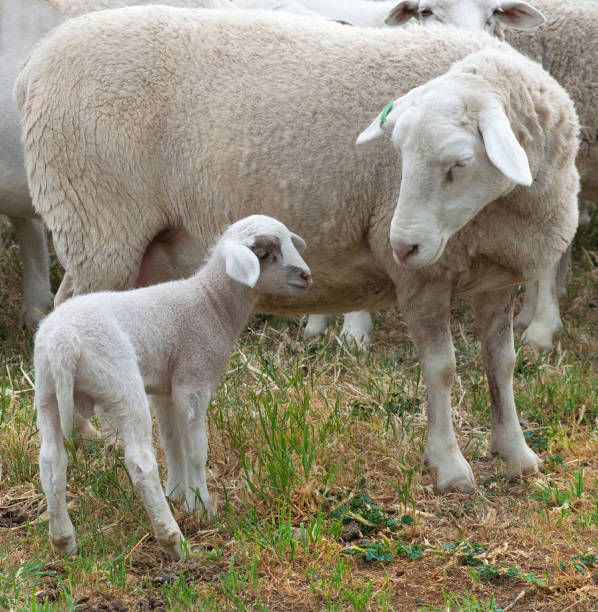
Animals have thoughts, feelings, and lives of their own. Imagine all the lambs and calves that are separated from their mothers for slaughter. Picture their natural life cycles, friendships, and companionships uprooted by our hunger for meat. Slaughtering animals on Eid breaks families, causes physical and mental anguish to the animals, as well as immense suffering, pain, and disruption to their natural cycles and growth.
2. Slaughter is NEVER okay
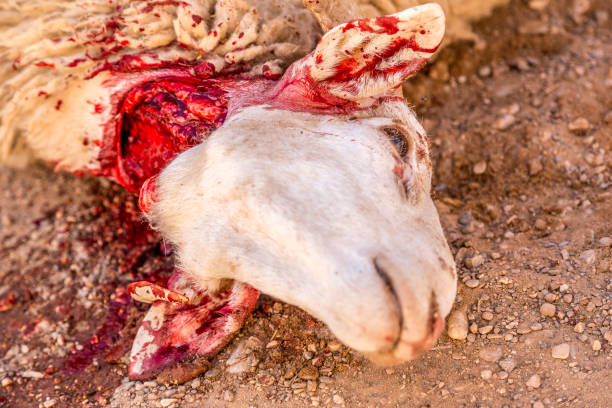
The act of slaughter is cruel, inhumane, and extremely abusive. Slaughtering animals on Eid is a form of animal cruelty, so is killing any animal for meat. Imagine if this were systematically done to “designated humans” by another creature. If someone larger, stronger, and more capable bred humans strictly for exploitation and slaughter, would we stay silent and accept that? Would that idea be mentally acceptable to us?
3. Slaughter is traumatic to the animals
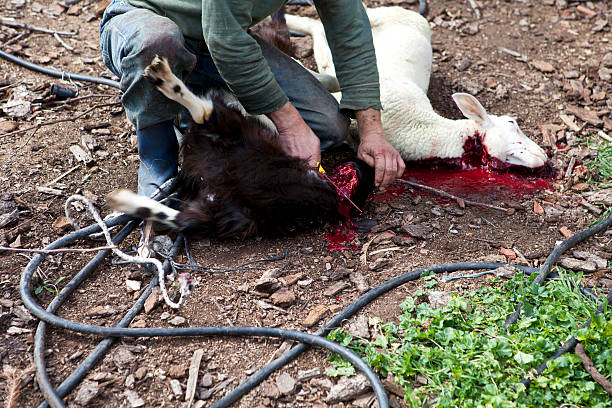
Animals feel sorrow and fear. Seeing others being slaughtered around them (and before their turn) is an extremely shocking experience. Subjecting a living being to this level of terror is extremely unethical. Imagine being lined up around your relatives, friends, or companions and watching each of them fall before you. Think of how shocking and scary that experience would be. Not only would you be extremely traumatized , shell-shocked, and saddened by their deaths, but you would also fear your own. Slaughtering animals on Eid is a very miserable and unethical way to die for any creature.
4. The animals are often in horrible condition
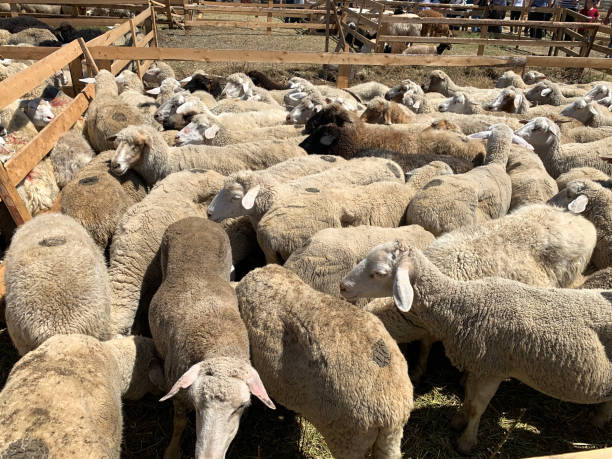
Animals are seldom treated well before their lives are taken. Often, they are scared or in shock up until their final breaths. The sad fact is that it is cheaper to overcrowd and mistreat these animals. Disease, fatigue, dehydration, and injuries can occur in these sordid conditions even before slaughtering animals on Eid. Their captors and killers often only care about profits, so they will not be motivated to improve their conditions unless they lead to a loss of profit.
5. Many of them die even before slaughter
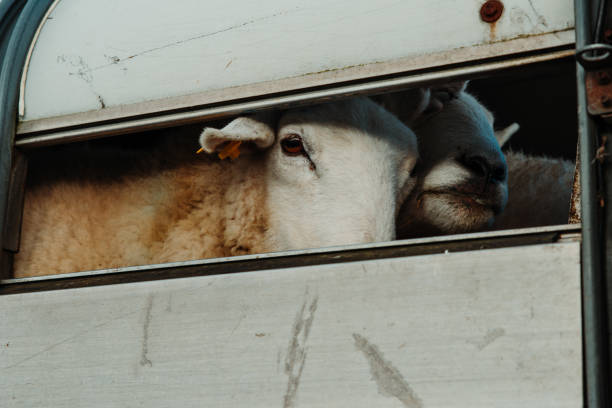
The animals often get battered, dehydrated, or diseased during transportation. Their living conditions (as mentioned above) may also expose them to diseases and other deadly factors. Many unfortunately die on their way to their final destination, or perish just days or hours before slaughter. Another cruel practice that causes much trauma and shock is the use of cattle prods during transportation. These electric shock devices literally electrocute the animals if they jostle or move out of line during their death march. Sometimes, the animals are kept overcrowded in metal sheds or trucks under the scorching sun. This is effectively cooking them alive. It is no wonder then that so many experience adverse symptoms or die early!
6. Many animals are teased or taunted before slaughter
Even in more small-scale instances, such as when a single animal is tied near a house and slaughtered by one family in order to celebrate Eid, children often harmfully “play” with the animal up until its death. This taunting and teasing is not only extremely cruel, but it also completely demoralizes and humiliates the animal before his/ her death. Additionally, certain forms of this can cause bodily injury and harm to the animal. For example, children throwing stones at a sheep can puncture the skin, also causing bruises and abrasions. Children riding the sheep can cause severe pain and collapse. These are just a few examples of how children treat sacrificial Eid animals when slaughtering animals for Eid.
7. Here’s what you can do for animals this Eid:
– Donate to an animal shelter or charity.
This will not only help other animals, but will also enable us to spread awareness about slaughtering animals on Eid. Instead of paying to take a life, invest that sum in saving one!
– Discourage people from upholding this practice.
Tell everyone you know in a kind and friendly way. This message is not intended to shame people for their religious beliefs. We simply want to provide kinder options and alternatives (for all faiths). Do not point an accusatory finger at one group of people. Simply make them aware that slaughtering animals on Eid is problematic regardless of sect, religion, or area. It is a country-wide problem.
– Be kind to any animals you see.
Especially if you encounter any animals ready for slaughter, treat them with kindness and compassion. Encourage other adults and children to also sympathize with them and treat them well.
– Find vegetarian or vegan alternatives to Eid staples.
You do not need to consume meat to have a great Eid! In fact, there are so many delicious vegetarian and vegan options to choose from! Showing mercy to God’s creations is also a great form of worship and sacrifice.
– Encourage others to read more about the story of Abraham and understand its true meaning.
This also applies to all faiths of course. The story is greatly symbolic and does not mean that an animal must be sacrificed on this particular day. The story encourages gratitude and mercy, also highlighting the suffering that any living creature goes through in the case of slaughter. A soul is a soul, and must not be treated like a toy or a disposable commodity.
– Spread this article so that it reaches more people.
The more awareness we can build in Lebanon about this issue, the less animals will suffer. So, link this text to everyone you know, and check out the advice post on our Instagram page and share it as well!
Hopefully, you have read and benefitted from this article, and now you are more aware of why slaughtering animals on Eid is cruel and must be stopped, as well as slaughtering in general. Killing animals, regardless of faith, is always a cruel act in and of itself, and GMAP is addressing all Lebanese people (including all faiths, sects, walks of life, and areas) in its posts.